By Kimberly Perez, 2024 Dole Caregiver Fellow, Texas
I grew up as a Hidden Helper and didn’t know it.
There wasn’t a name for what I was doing, only a long list of unspoken responsibilities: helping my sister, cooking meals, handling extra household tasks, and providing emotional support. I learned to adapt because I had to, but I also carried the weight quietly, without space to process it or balance it with being a kid.
That’s why, as the parent of two hidden helpers today, I’m intentional about doing things differently. My husband is a 100% disabled veteran, so in our home, caregiving is part of daily life, but so are art projects, campfires, late-night talks, and making sure my kids know they are more than the help they give.
I learned to protect their passions fiercely. My oldest is preparing for college, and my youngest just signed a modeling and talent contract. These aren’t distant “someday” dreams; they’re happening now. And even with the realities they live every day, we work hard to make space for them to pursue those opportunities fully.
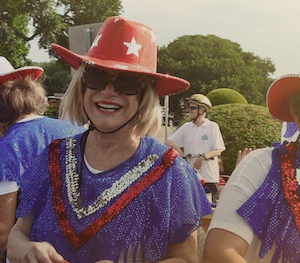
That space doesn’t happen by accident. It means noticing when their caregiving instincts kick in, even in moments meant for them, and gently reminding them it’s okay to set that role down. At a recent event for Hidden Helpers, I saw how quickly my eldest’s sense of responsibility surfaced, scanning the environment and staying on high alert. In those moments, I step in to make it clear: they have permission to simply enjoy the experience. That’s why we talk openly about what they do at home and create boundaries that help them rest and recharge.
Preparing for Back-to-School Season as a Hidden Helper Family
Back-to-school isn’t just about new notebooks and schedules in our house. It’s also about checking in on how caregiving fits into the coming season. As activities ramp up and calendars fill, I make sure my kids still have time that belongs just to them.
For my oldest, that means balancing college prep with downtime so he can focus on the next chapter of his life without feeling like he’s leaving his family behind. For my youngest, it’s making sure rehearsals and modeling commitments aren’t overshadowed by the unpredictable moments that can come with living alongside a disabled parent.
We talk about the “what ifs,”— what if Dad has a tough day or what if a plan changes—so they feel prepared but not burdened. We also plan in advance for fun things: community events, performances, and fun weekends. Having those on the calendar reminds them that joy and opportunity are just as much a priority as responsibilities.
Building Strength without Losing Childhood
I’ve learned that people often see caregiving kids as simply “mature” or “helpful,” but that’s only part of the story. There’s no manual for balancing the emotional load of living alongside a disabled family member with the need to just be a kid. My children and many others like them have learned to read situations quickly, extend empathy without pity, and speak up for themselves and others. These strengths show up everywhere, including camp, where they make sure no one is left out, and in Girl Scouts, where they lead with fairness and compassion.
These qualities grow because we’ve built an environment where they can talk honestly about the hard parts, and also completely unplug from them. They thrive in communities that “get it” without them having to explain, and in activities that belong entirely to them.
As the new school year begins, my hope is that more youth programs, faith communities, and leaders will notice the hidden helpers in their midst, not just for the responsibilities they carry, but for the whole, complex, and extraordinary people they are becoming.